



Want the quick reference version?
Download The Hive’s GLP-1 Nutrition Cheat Sheet — all your macro targets, fiber sources, electrolyte goals, and supplement checklist in one clean, printable page.
GLP-1s can be genuinely life-changing — the benefits are real and documented. Most women on them share the same goal: to look and feel their best. And with the right approach, that’s exactly what’s possible.
But there’s a fine line between losing the weight and losing a little more of yourself with it. With so many women starting GLP-1s, we’re addressing what a lot of them are quietly talking about: how to avoid side effects with specific foods, and how to follow through when your appetite is… just not the same.
FYI- this is not medical advice. Finding a trusted, FDA-approved provider to help guide your GLP-1 journey is step one —and Hers is ours.
Here’s what we want to say directly: not eating is not the plan. You did not sign up for a prescription to coast on snacks and good intentions. What you eat on a GLP-1 is the difference between losing weight and losing yourself — your muscle, your hair, your energy, your face. The women who come out of this looking and feeling exceptional treated nutrition with the same seriousness they brought to starting the medication. What to eat on a GLP-1
We’re also covering the things people are quietly googling and nobody is really answering: the food aversions, the taste changes, the days where even your favorite meal smells wrong. Whether you’re interested in trying out a GLP-1 or looking to optimize your journey, this guide meets you where you actually are.
What’s Actually Happening in Your Body
GLP-1 receptor agonists work on three levels at once. Once you understand this, a lot of confusing things start to make sense — and a lot of the self-blame falls away.
- Gastric emptying slows. Food stays in your stomach longer than it used to. This is why a normal meal suddenly feels enormous, why eating too fast causes nausea, and why heavy, rich foods may feel genuinely unbearable on some days. Your stomach is not broken. It’s just operating on a different timeline.
- Hunger signals quiet. Not muted — turned down significantly. Some days hunger won’t register at all until you’re already running low. This is the medication doing its job, not a sign something is wrong. But it means you can’t rely on appetite to tell you when to eat.
- The dopamine reward circuit quiets. GLP-1 receptors sit in the brain’s reward circuits — specifically the regions responsible for cravings and emotional eating. The part of your brain that made pizza irresistible and dessert feel like a reward? Gets quieted too. For a lot of women, this is the most welcome part. Food just doesn’t have the same grip it used to.
This is why the generic advice — “just eat protein and vegetables” — bounces right off. Your hunger cues are quieter, your taste may have genuinely shifted, and your digestion is running in slow motion. None of this is a willpower problem. It’s biology. And that actually makes the solution clearer: you need a strategy built for how your body is working right now, not how it worked before.

What Women Are Actually Googling (And Nobody’s Answering)
Before we get to the meal plan strategy, let’s name the things that are actually happening to a lot of women — that nobody is writing about honestly.
- (New) food aversions. Not nausea in the traditional sense — more like a sudden, specific revulsion toward foods that were previously fine. Meat is the most commonly reported: chicken that tastes off, beef that smells wrong, eggs that are suddenly unacceptable. GLP-1 receptors sit in human taste buds and appear to alter how strongly certain flavors register. Constant satiety also makes rich, heavy foods more aversive — the same way a full stomach does. If you’ve gone accidentally vegetarian since starting your medication, you are not imagining it.
- Forgetting to eat. When your hunger signal is muted, the biological reminder to refuel doesn’t fire the way it used to. Some women hit 3pm and realize they’ve had nothing — not because they were restricting, but because the prompt never came. This is where the real nutritional damage quietly accumulates.
- The ‘nothing sounds good’ drift. Not nausea — just flat indifference toward food that leads to the path of least resistance: crackers, toast, applesauce, cereal. All understandable, but not a long-term strategy. They leave you chronically under-proteined and micronutrient-depleted in ways that can compound over months.
- Taste changes. Favorite foods smelling or tasting wrong — wine, coffee, meat, even sweets. This is a documented biological effect, not a personal failing, and not permanent for most women. Worth naming because it’s disorienting when it happens and nobody tells you it’s coming.
- Muscle loss. Approximately 40% of weight lost on semaglutide can come from lean mass rather than fat — and women and older adults are at higher risk. Muscle regulates your metabolism, controls blood sugar, and determines how strong and functional you feel for decades. Losing it because you were surviving on snacks is not a trade worth making.
- Micronutrient depletion. When calories drop significantly, so does your intake of vitamins D, B12, iron, magnesium, and zinc — the nutrients that govern energy production, immunity, and hair growth.
- The visible consequences. The hair shedding, the fatigue, the gaunt facial changes that get blamed on the drug. When in reality, they’re almost always caused by the nutrition gap.
Here is the counter-intuitive truth: because you’re eating significantly less, every bite has to work harder. Caloric reductions of 16 to 39 percent are common on GLP-1s — and at that level, deficiencies build quietly over months before you ever feel them.
The Rule:
Meal plan and eat by the clock, not by appetite — until your hunger cues come back online. Set a reminder if you need to. Treat meals like a scheduled part of your protocol, because right now, they are.

What To Eat on a GLP-1 – Your Blueprint
We’re giving you exactly what to eat on a GLP-1. This is the section to screenshot, save, and come back to. Below is every macro and nutrient that matters on a GLP-1 — what it does, how much you need, and what to actually eat to get there. No generic advice. No patient-portal language. Just the information you need to make your medication work as hard as you are.
1. The Protein Rule — The Non-Negotiable
If this entire article collapsed into one instruction, it would be this: protein first, every meal, and frontload it in the morning. No exceptions. Everything else is nuance.
Protein is doing the most important work simultaneously — preserving the muscle mass you’re at risk of losing, stabilizing blood sugar between meals, supporting your hair and skin, and providing the satiety signal that keeps you from going hours without eating. It is non-negotiable, even on the days when food feels like a chore.
The challenge: protein lives disproportionately in the foods GLP-1 users most commonly develop aversions to — meat, dense animal proteins, large portions. If you’re not adverse to eating meat – fantastic. But if you’re struggling with the though of eating meat at all, we’ll provide alternatives that actually work below.
The target:
~1 gram of protein per pound of your ideal body weight daily. Example: if you’re looking to reach 140 lbs, that’s 130+ grams per day — approximately 40g per meal. Eat protein before anything else at every meal — before the vegetable, before the grain, before anything. You may only have a few bites of appetite to work with. Make them count.
Protein options when nothing sounds good
- Collagen protein powder. Dissolves completely in water, coffee, or anything. On days when food feels like a chore, this is how you get 20g of protein into your morning without thinking about it. Bonus: collagen specifically supports skin elasticity during rapid weight loss — something to get ahead of if you’re just starting your GLP-1 journey.
- Greek yogurt + cottage cheese. Soft, cold, zero cooking required, easy to eat when nothing sounds good. Blend with honey and berries — 25 to 30g of protein that feels like nothing. Keep both stocked at all times
- Bone broth – to drink and as a cooking base. This is one of the easiest ways to stay hydrated while loading up on 10-20 grams of protein per serving. Use it instead of water when cooking grains. You’ll also get the added benefit of minerals and electrolytes, without any extra bulk or effort. Also helps with the GI disruption and constipation that come with slowed digestion.
- Kefir. Drinkable, probiotic, 10 to 13g of protein per cup, and actively helpful for the GI side effects the medication brings.
- Simple smoothies. 1/2 frozen banana + protein powder + almond butter or cottage cheese+ kefir or nut milk + frozen fruit. Blend. Drink. 30+ grams of protein in five minutes without sitting down to a meal. Prep smoothie packs on Sunday — pre-portioned bags you pull straight from the freezer and blend.
- Aged Parmigiano-Reggiano cheese. One ounce contains 10 grams of protein. It’s a great snack if you’re looking for something quick. Because of the aging process, the proteins naturally break down (making them easier to digest) and reduces the lactose to trace amounts. It also contains all essential amino acids.
- Protein Bars – these can be tricky as many can feel heavy on the stomach. We love Prima and Lineage Provisions – super clean, high protein and zero unwanted additives.
The Rule:
Eat protein before anything else at every meal — before the vegetable, before the grain, before anything. You may only have a few bites of appetite to work with. Make them count.

2. Healthy Fats
Low-fat diet culture did a number on women. Fat is not what’s working against you — the wrong kinds of fat are. This distinction matters more on a GLP-1, when your overall calorie intake is already reduced and your body needs every nutrient to pull weight.
Dietary fat is the backbone of your endocrine system. Cholesterol is the precursor to estrogen, progesterone, and testosterone. Going too low on fat while your appetite is already suppressed creates a hormonal environment your body doesn’t love — especially if you’re navigating the hormonal volatility of perimenopause. And emerging research suggests that omega-3 polyunsaturated fats specifically may enhance the metabolic benefits of GLP-1 medications and help protect against lean mass loss. [1]
The research isn’t saying eat everything. It’s saying be strategic.
Prioritize
- Olive oil, avocado, wild-caught fatty fish (salmon, sardines, mackerel), nuts, and seeds.
Minimize
- Seed oils high in omega-6s, fried foods, and anything ultra-processed — not because fat is bad, but because these specific fats drive the inflammation you’re trying to outrun.
One more thing: skipping fat entirely actually increases gallstone risk on GLP-1s. Rapid weight loss combined with too little dietary fat leads to gallbladder stasis. A drizzle of olive oil, half an avocado — that is not the enemy. It’s the protocol.
Your Target:
40–70g of healthy fat per day — roughly 25–35% of total calories.
A practical day: half an avocado (15g) + 1 tbsp olive oil (14g) + a handful of walnuts (18g) + wild salmon at dinner (13g) = right in range.
3. Smart Carbohydrates
Not keto, not unrestricted — somewhere in the middle that keeps blood sugar stable, which is the whole point of the medication. The GLP-1 is already doing the blood sugar regulation heavy lifting. Your job is not to spike it faster than the medication can handle.
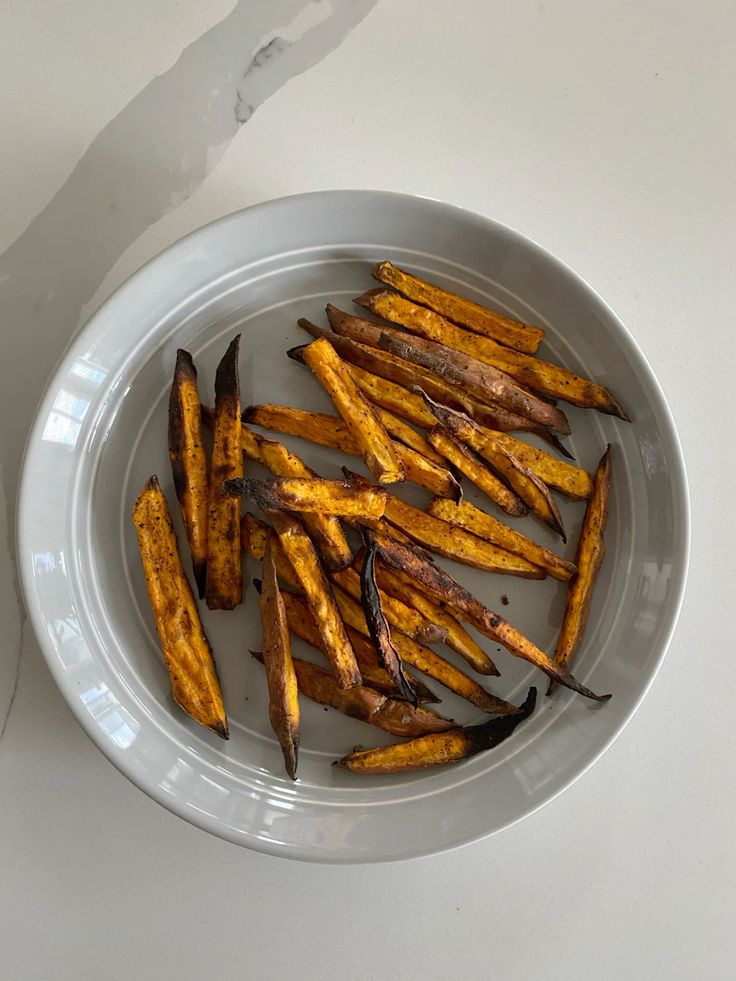
The focus is less on the number and more on the source. A sweet potato and a dinner roll are both carbohydrates. They do not behave the same way in your body.
Say Yes To:
- Sweet potato, oats, quinoa, berries, legumes, brown rice — fiber-rich, nutrient-dense, slow-digesting.
Think twice
- White bread, pasta, pastries, sugary drinks, anything ultra-processed. You have fewer bites to spend right now. Spend them well.
Your Target:
100–150g net carbs per day from whole food sources.
If you’re in perimenopause or managing insulin resistance, aim closer to 100g. If you’re active and feeling strong, 150g is appropriate.

4. Fiber
GLP-1 medications slow gastric emptying — which is exactly how they suppress appetite — but that same mechanism can back up your digestive system in ways that feel less than aspirational. Constipation is one of the most commonly reported side effects, and fiber is your most straightforward fix.
On a GLP-1, fiber intake can quietly drop without careful planning. You’re eating less overall, which means you have to be more intentional about fiber-dense choices, not less. The goal is variety between the two types.
Soluble fiber: Dissolves into a gel in your digestive tract, slowing glucose absorption and feeding your gut bacteria. Best sources: oats, lentils, chia seeds, flaxseed, apples, and legumes.
Insoluble fiber: Doesn’t dissolve — adds bulk and keeps things moving. Best sources: leafy greens, broccoli, skin-on vegetables, and whole grains.
An easy daily stack: a handful of raspberries (8g) + half a cup of black beans (8g) + an avocado (10g). You’re already at 26g without trying.
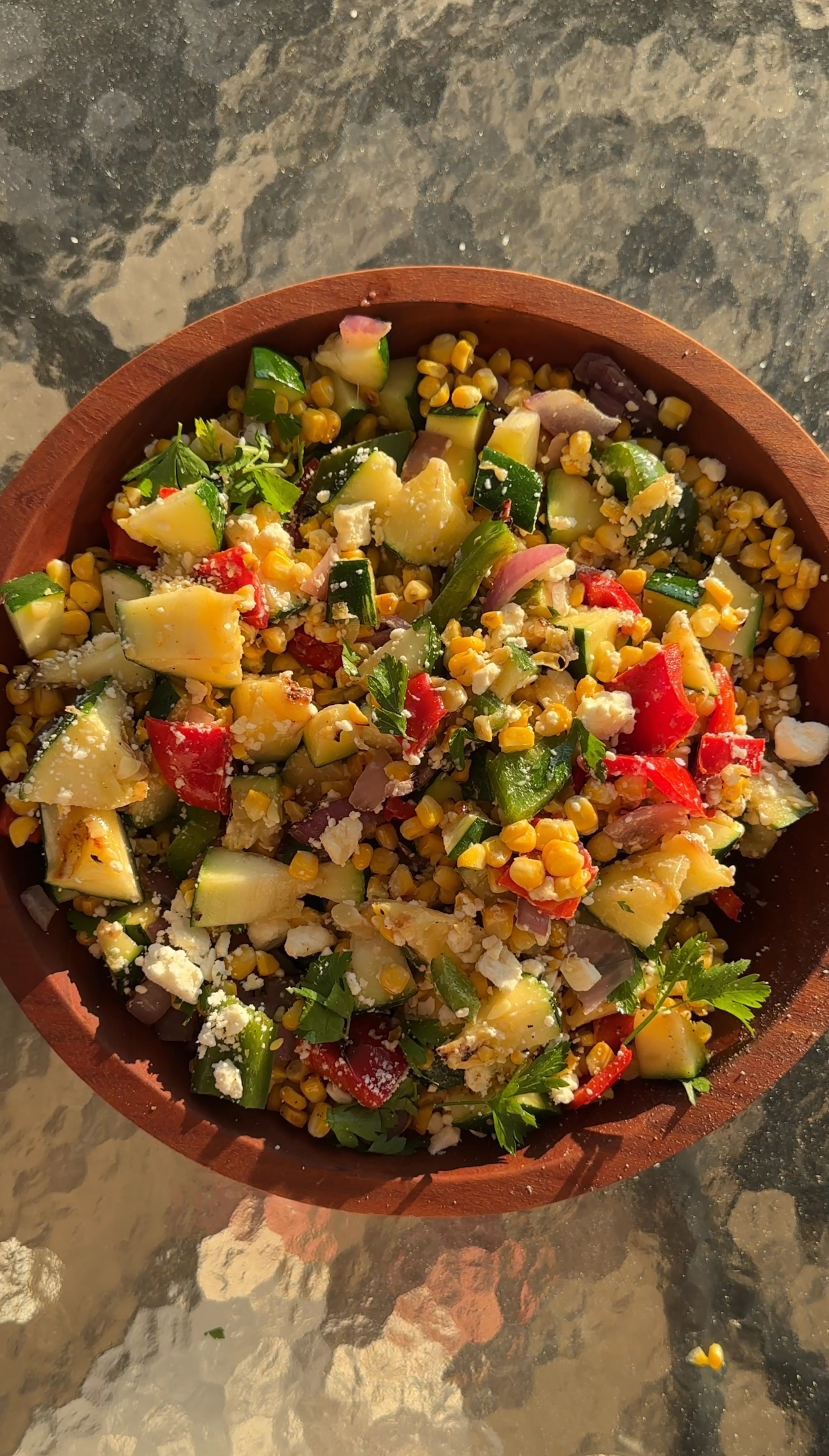
One note: cooked vegetables are significantly easier on a sluggish GI tract than raw ones, especially early in your GLP-1 journey. Roasted zucchini over a raw kale salad. Your digestion will thank you.
Your Target:
25–38g of fiber per day.
Increase gradually — about 5g per week — to let your gut adapt without the bloating.

5. Electrolytes
GI side effects — nausea, constipation, diarrhea — are also reported on GLP-1s, especially during dose titration. Each one depletes electrolytes. Add reduced food intake on top, and you have a recipe for imbalance that shows up as fatigue, muscle cramps, brain fog, and headaches that most women blame on the medication. Often, it’s under-nutrition.
The four electrolytes to pay attention to:
- Sodium. GLP-1 medications can increase urinary sodium excretion — a process called natriuresis. Drinking large amounts of plain water without replacing sodium can make this worse. Don’t eliminate salt entirely.
- Potassium. Lost through GI side effects. Low potassium shows up as muscle weakness, fatigue, and heart palpitations. Avocado, banana, leafy greens.
- Magnesium. Governs sleep quality, muscle function, and digestion — all things already under pressure on these medications. One of the easiest to supplement, one of the most commonly depleted.
- Zinc. Supports hair growth, immunity, and wound healing. Quietly depleted when overall food intake drops — and one of the first things that shows up as hair loss.
Your Daily Targets:
Sodium: 1,500–2,300mg
Potassium: 2,600mg
Magnesium: 310–320mg
Water: 64–80oz minimum. Set a reminder. You won’t feel thirsty. Drink anyway.
Add a daily electrolyte supplement with sodium, potassium, and magnesium — minimal added sugar or sugar substitutes (this one is our favorite.) Bone broth works as an easy daily source. Prioritize hydrating foods: soups, cucumber, watermelon, anything broth-based. On high-symptom days, plain water alone will not cut it.
Worth discussing with your provider through Hers: electrolyte monitoring during the first 3 months, especially if you’re experiencing significant GI side effects.
A Word on Supplementation
This is the slow-building problem. The fatigue, the hair shedding, the brain fog that get blamed on the medication are almost always a nutrition gap. When you drop caloric intake by 20 to 40 percent over months, micronutrient intake quietly drops with it — before you feel it.
The five to watch:
- Vitamin D. The most commonly depleted nutrient in GLP-1 users — studies show deficiency in 7.5% of users at six months and 13.6% at twelve months.
- B12 + thiamine. Less common but more serious. There are documented cases of semaglutide-associated thiamine deficiency presenting as neurological symptoms in people severely restricting calories.
- Iron. Especially relevant for women already borderline. Low ferritin is behind most GLP-1 hair loss — and it’s fixable once identified.
- Magnesium. Governs sleep, digestion, and muscle function — all already under pressure. Commonly depleted, easy to supplement.
- Zinc. Hair, immunity, wound healing. Quietly depleted when overall intake drops.
Signs of real deficiency: fatigue disproportionate to how little you’re doing, hair shedding beyond normal, brittle nails, brain fog, muscle weakness. These are not adjustment period quirks. They are your body asking for something specific.
A quality multivitamin is a reasonable daily baseline for anyone on a GLP-1. Get labs run at your six-month mark — at minimum vitamin D, ferritin, B12, and a full iron panel. If you’re working with a medical provider through Hers, put this on the agenda at your next check-in. It’s the kind of thing that gets skipped in a 15-minute appointment and absolutely should not.
The protocol:
A quality multivitamin is a reasonable daily baseline for anyone on a GLP-1. Get labs run at your six-month mark — at minimum vitamin D, ferritin, B12, and a full iron panel.
What to Eat — And What to Think Twice About
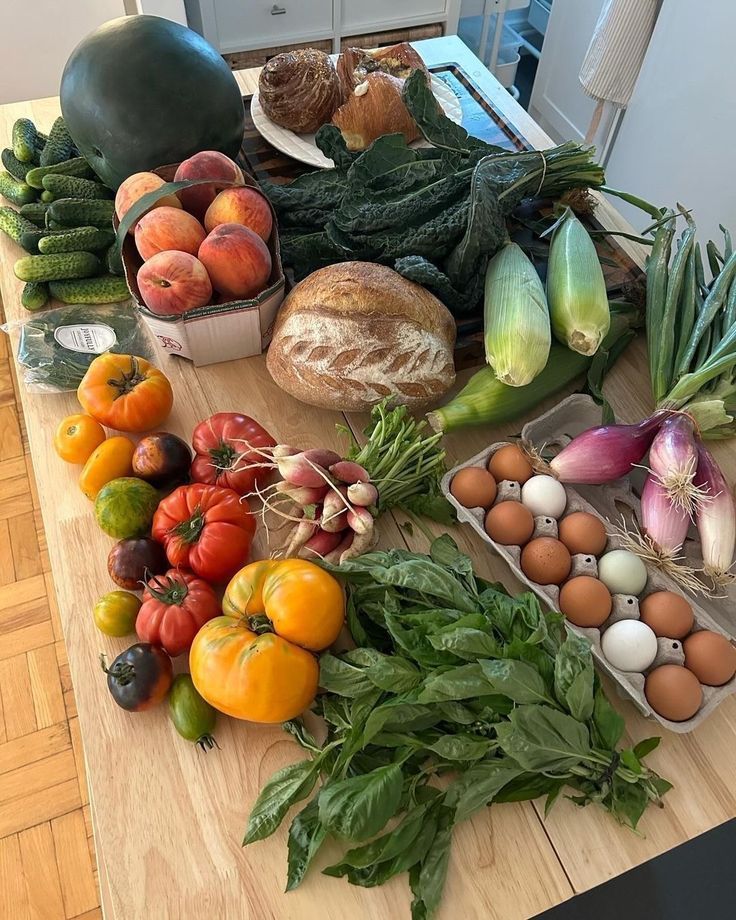
There’s no forbidden food list on a GLP-1 — your medication already has strong opinions about what your body tolerates, and you’ll discover those on your own. What follows is a practical guide to what works with your physiology right now, and what tends to work against it.
For the complete PDF plan, click here for the free download!
EAT MORE OF
- Lean meat – chicken breast, ground lean turkey, lean ground beef.
- Soft, cooked proteins. Eggs, white fish, cottage cheese, ricotta, silken tofu, Greek yogurt. GI-friendly, easy to eat in small portions, and high in the protein you need.
- Cooked vegetables over raw. Roasted zucchini, steamed broccoli, soft-cooked carrots. Much easier on a stomach that’s moving slowly. Raw cruciferous vegetables in large quantities are genuinely hard on a sluggish GI tract early on.
- Low-glycemic fruit. Berries, kiwi, citrus. Fiber and micronutrients without blood sugar spikes. Most people on GLP-1s find these far more tolerable than heavier foods.
- Gut-friendly staples. Ginger for nausea. Kefir and fermented foods for the microbiome disruption that often accompanies GI changes. Bone broth for protein and electrolytes. These do double duty.
- Healthy fats — don’t skip them. Olive oil, avocado, a small handful of nuts. Skipping fat entirely actually increases gallstone risk on GLP-1s. Rapid weight loss combined with too little dietary fat leads to gallbladder stasis. A drizzle of olive oil, half an avocado — that is not the enemy.
- Hydrating foods. Soups, cucumber, watermelon, anything broth-based. Fluid intake drops with appetite — pay close attention to this. Dehydration compounds every GI side effect.
APPROACH WITH CARE
- Large, high-fat meals.
- Alcohol. (Your tolerance changes on medication, too.)
- Ultra-processed foods.
- Carbonated drinks.
- Processed sugars.
- White/processed grains and wheat.
- Seed oils.
A Note for Women in Perimenopause and Midlife
Women aged 50–64 have the highest GLP-1 use of any demographic in the U.S. — yet research has largely ignored the unique risks and opportunities these medications present for perimenopausal women specifically. [2] That gap matters, and you deserve to know what’s actually at stake.
Here’s the core issue: muscle and bone mass peak in early adulthood and then progressively decline, with menopause accelerating those losses and increasing risk for sarcopenia and osteoporosis. Rapid weight loss on a GLP-1 can reflect a mix of fat loss and lean mass loss — which means resistance training and adequate protein aren’t optional. They’re the whole game. A 2025 RAND Corporation analysis flagged muscle loss as one of the most critical and understudied risks of GLP-1 use specifically in perimenopausal women. [3]
The good news: emerging data on combining GLP-1s with hormone therapy is compelling. Postmenopausal women taking semaglutide alongside HRT lost more weight than those on semaglutide alone, with additional improvements in cholesterol and blood pressure. [4] If you’re not already in conversation with your provider about HRT, this is a reasonable moment to start that conversation.
The Perimenopausal Protocol:
Protein: 1.2–1.6g per kg of body weight daily — higher than the standard recommendation.
Resistance training: 2–3 sessions per week targeting major muscle groups.
Calcium: 1,000–1,200mg daily to protect bone density as estrogen declines.
Vitamin D: 800–1,000 IU daily minimum.
Ask your provider about HRT. The combination data is worth discussing.
The Bottom Line
You’re already doing the hard part. The prescription, the weekly injection, the commitment to changing something fundamental about your health — that takes real resolve.
The nutrition is what makes it work. Not just for the scale, but for your muscle, your skin, your hair, your energy, and the version of yourself you’re actually building toward.
- Eat protein first. Every meal, no exceptions.
- Eat by the clock when your hunger cues go quiet, and meal plan + prep ahead of time to make eating easy.
- Make every bite count — you have fewer of them right now.
- Supplement your electrolytes, especially on hard GI days.
- Get your labs done at six months. Don’t skip it.
Give your nutrition the same seriousness you gave to the decision to start the medication. That’s the whole thing.
Legal Disclaimer:
Not available in all 50 states. Prescription required. Weight Loss by Hers is a holistic program that includes nutrition support, technological tools, and medications prescribed based on what your provider determines is medically appropriate and necessary for you. See website for full details, important safety information, and restrictions. Wegovy® is a registered trademark of Novo Nordisk A/S. |
[1] Nutritional Approaches to Enhance GLP-1 Analogue Therapy in Obesity. MDPI Nutrients, December 2025.
[2] RAND American Life Panel. GLP-1 Agonists in Perimenopause: Unique Risks and Potential Opportunities. RAND Corporation, 2025.
[3] Ibid.
[4] Hurtado MD et al. Weight loss response to semaglutide in postmenopausal women with and without hormone therapy use. Menopause, 2024.




Comments +